


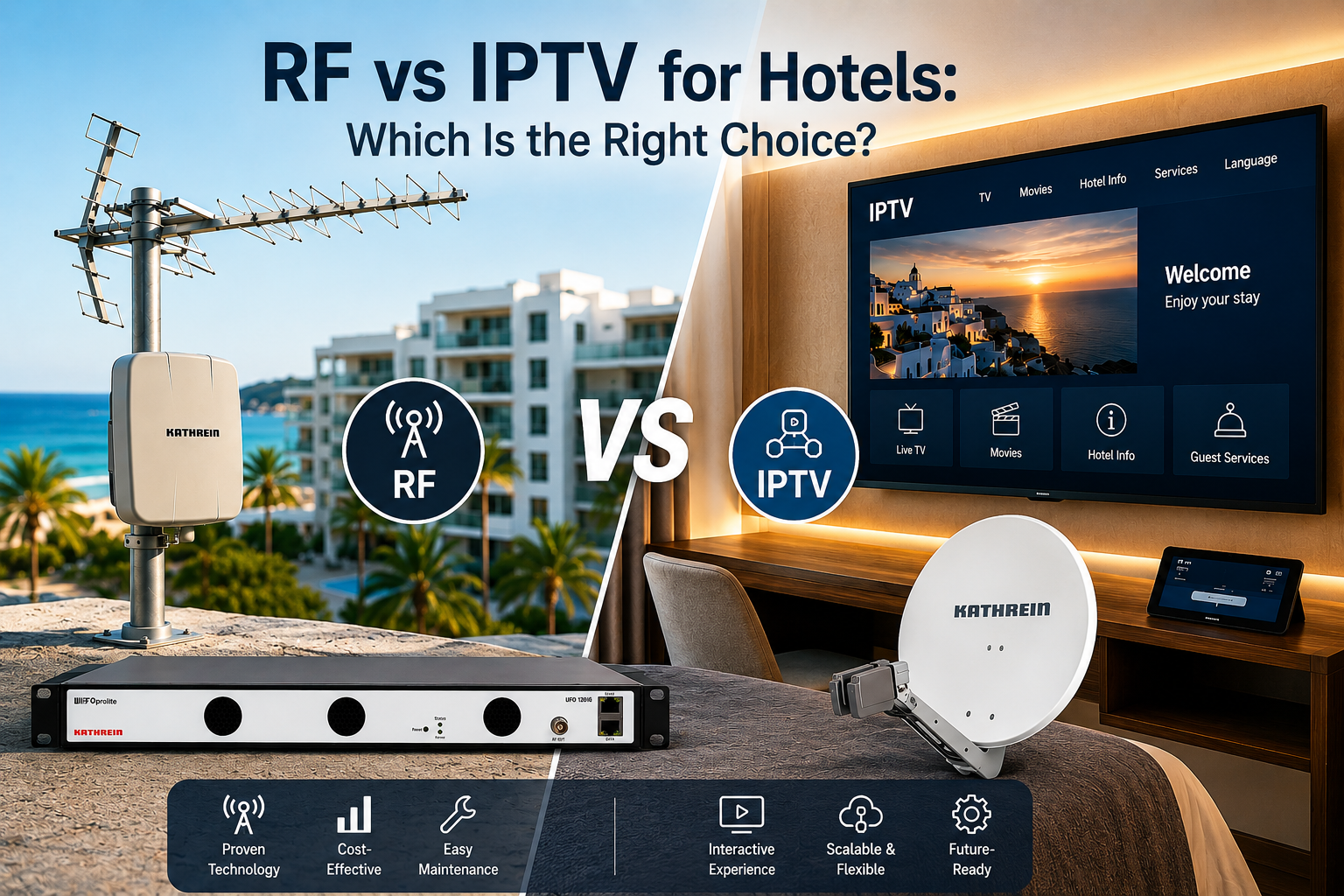
RF or IPTV in Hospitality Facilities? Which Solution Should You Choose?
What Should You Choose for TV Signal Distribution in a Hotel?
Choosing between RF (DVB-T/DVB-C) and IPTV is one of the most important decisions when designing a hotel television distribution system. Each technology has a different architecture, implementation cost, and infrastructure requirements.
In a hotel environment, the right choice affects:
- Picture quality and signal stability
- Initial investment cost
- Future scalability and expansion capabilities
- Content management flexibility
- Compatibility with televisions
Below is a detailed comparison of RF and IPTV solutions for professional hospitality installations.
What Is RF Distribution (DVB-T / DVB-C)?
RF distribution is based on a coaxial cable network and delivers television channels as digital DVB-T or DVB-C signals. The content is generated by central equipment such as:
- HDMI modulators
- Digital headend systems
The signal is converted into an RF television channel and distributed through the existing cabling infrastructure to all televisions throughout the property.
👉 See also: TV HDMI Modulators – Converting HDMI to RF (DVB-T/C)
Advantages of RF
- Utilizes existing coaxial cabling infrastructure
- Lower infrastructure costs
- No data network required
- Stable operation without dependence on network bandwidth
- No need for set-top boxes or televisions capable of receiving IP signals
Disadvantages of RF
- Limited interactivity features
- Does not easily support Video-on-Demand (VoD)
- Limited ability to personalize content on a room-by-room basis
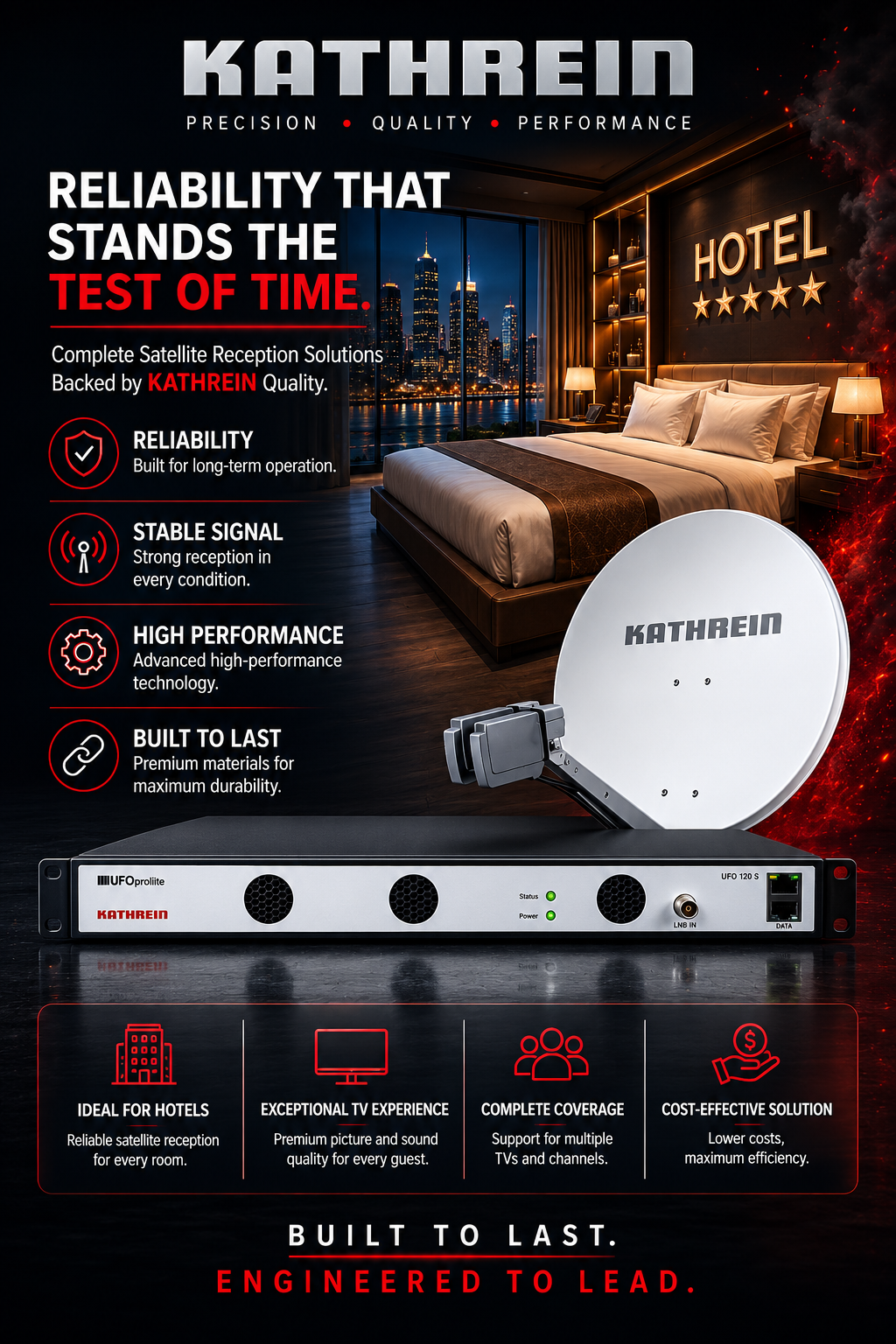
What Is IPTV Distribution?
IPTV (Internet Protocol Television) delivers television content through a LAN network. The signal is distributed as a multicast or unicast stream and received by smart TVs or set-top boxes.
An IPTV architecture typically requires:
- Ethernet network connectivity in every room
- Network switches and proper bandwidth management
- IPTV middleware (for more advanced installations or two-way communication)
Advantages of IPTV
- Video-on-Demand (VoD) capabilities
- Interactive services
- Hospitality applications (welcome messages, billing integration, information channels)
- Greater content flexibility
- Hotel presentations, information pages, and promotional content
Disadvantages of IPTV
- Higher infrastructure costs
- Requires a robust and properly configured network
- Potential bandwidth congestion issues
- Increased technical complexity
| Parameter | RF (DVB-T/C) | IPTV |
|---|---|---|
| Cabling | Coaxial | Ethernet |
| Infrastructure Cost | Lower | Higher |
| Stability | Very High | Network Dependent |
| Interactivity | Limited | High |
| Set-Top Box | Not Required | Often Required |
| Best Suited For | Traditional Installations | Premium Hotels |
When Is RF Recommended for Hotels?
RF distribution through an HDMI modulator or headend system is recommended when:
- An existing coaxial network is already in place
- Interactive services are not required
- Reliability is the top priority
- The project has a defined budget
- Simple management and low maintenance are desired
In such cases, DVB-T/C HDMI modulators provide a highly efficient solution for converting HDMI sources into RF television channels.
When Is IPTV Recommended?
IPTV is recommended when:
- A fully structured LAN network is available
- The hotel aims to deliver a premium guest experience
- Video-on-Demand (VoD) or information channels are required
- Full room-by-room content control is desired
In larger projects, IPTV is often combined with a headend system to create a hybrid distribution architecture.
👉 See also: Digital DVB-T/C & IP Headend Systems
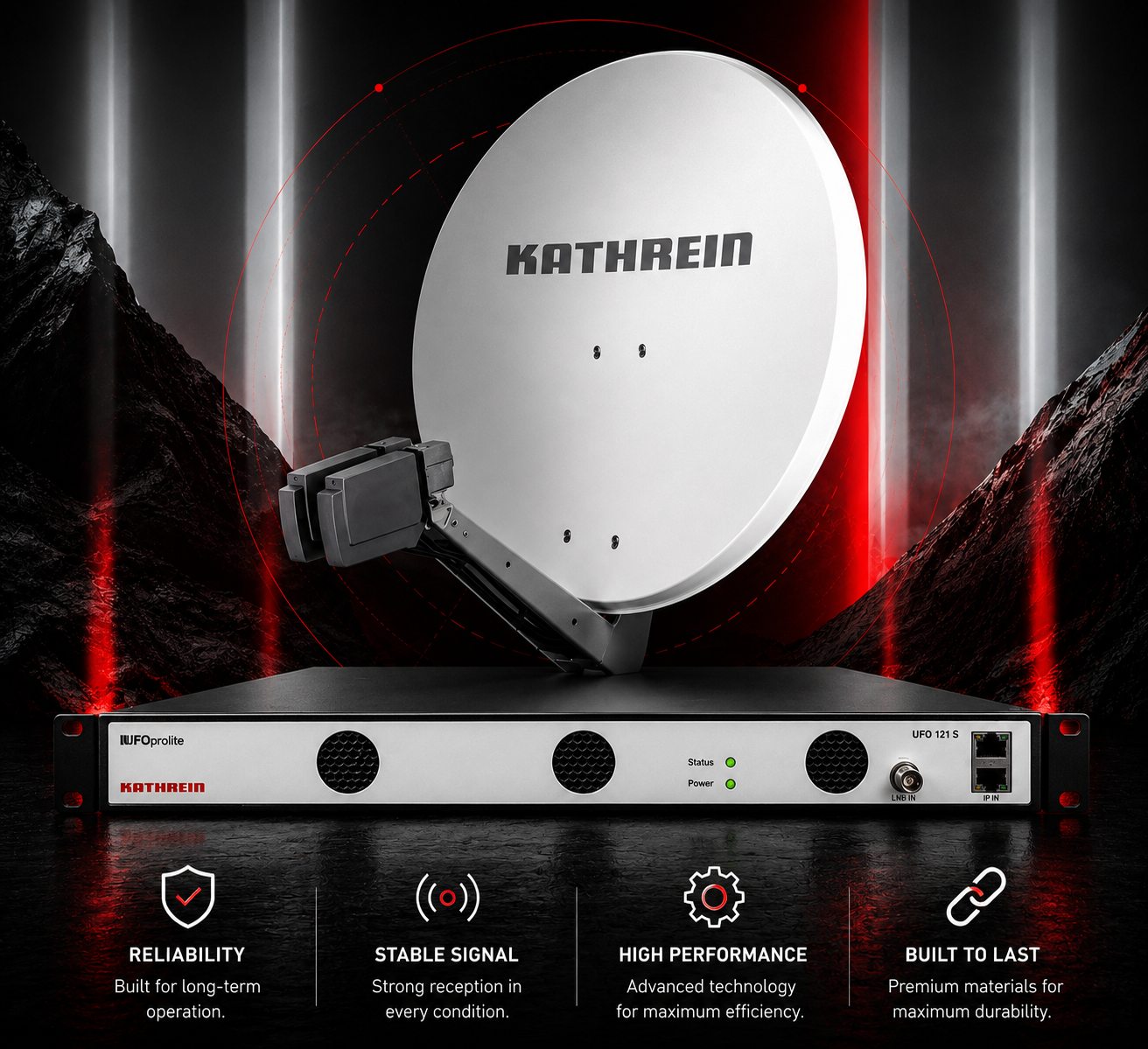
Hybrid RF + IPTV Solutions
Many modern hotels choose a hybrid approach that combines the strengths of both technologies:
- RF for standard television channels
- IPTV for premium and interactive services
This allows hotels to maintain the reliability and stability of RF distribution while simultaneously offering advanced interactive features and enhanced guest experiences.
Cost: RF or IPTV?
In general:
- RF involves a lower initial investment
- IPTV requires a higher upfront investment but offers more advanced capabilities
The total project cost depends on several factors, including:
- Number of rooms
- Existing cabling infrastructure
- Service requirements
- Future expansion plans
Which Solution Is Better?
There is no single “right” solution. The best choice depends on the specific profile and requirements of the hotel.
For traditional installations focused on reliability, simplicity, and cost efficiency, RF distribution using HDMI modulators or headend systems remains a highly effective solution.
For modern premium hotels seeking interactive services and enhanced guest engagement, IPTV offers greater flexibility and functionality.
Frequently Asked Questions
Is RF an outdated technology?
No. RF remains a highly reliable and widely used technology in professional television distribution installations.
Does IPTV require an internet connection?
Not necessarily for content distribution within the hotel, but it does require a properly structured LAN network.
Can I upgrade from RF to IPTV?
Yes. An upgrade is possible provided that the necessary network infrastructure is available.
